What sets TCM apart?
Traditional Chinese Medicine (TCM) views health as the harmonious flow of vital energy, known as Qi, throughout the body. Qi is understood to circulate through a network of pathways called meridians, which connect to organs and support their physiological functions.
Rather than focusing primarily on anatomical structures, TCM emphasizes functional relationships within the body - such as digestion, respiration, circulation, temperature regulation and fluid balance. These functions are grouped and described through interconnected functional systems.
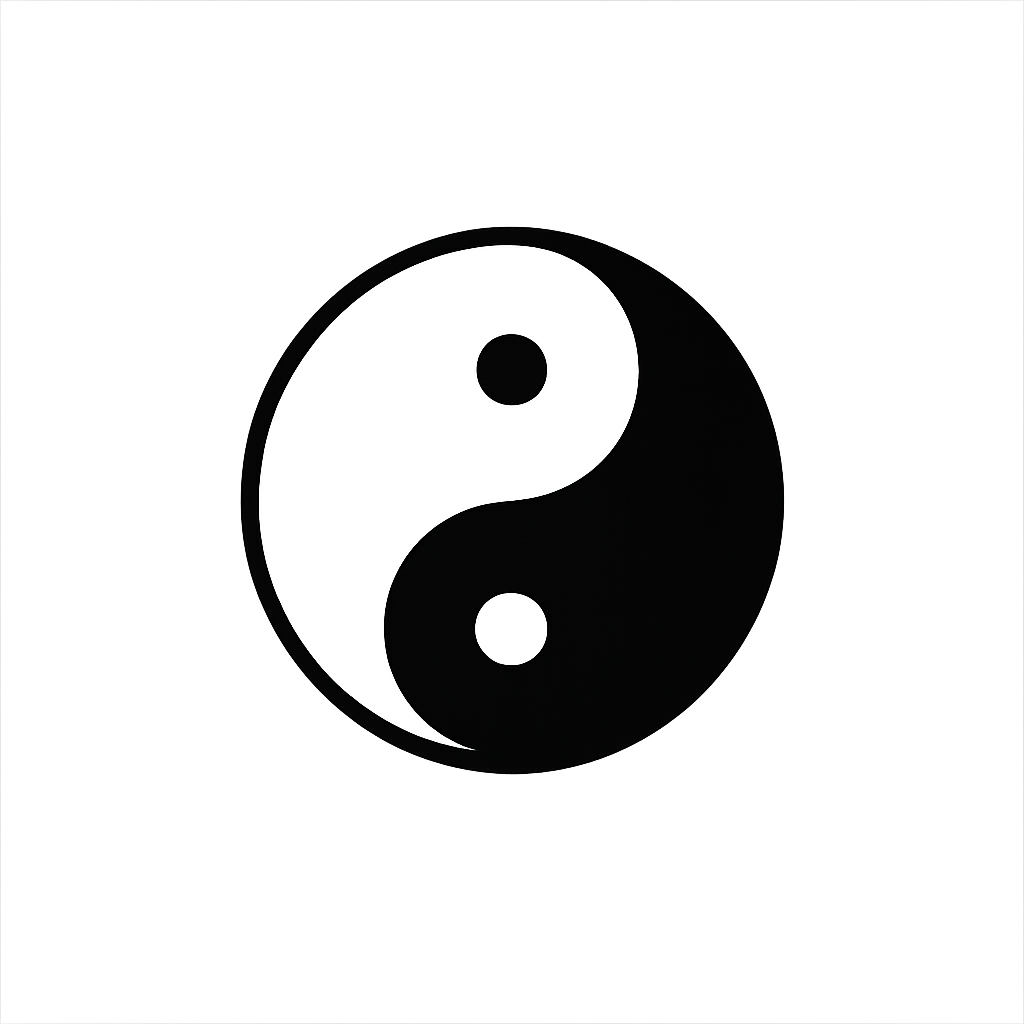
In TCM, entities such as Qi, Blood, Yin, Yang, and the Organ Systems represent functional concepts that describe how the body maintains balance and health, rather than referring directly to biochemical substances or anatomical structures.
This functional and holistic framework allows TCM practitioners to understand patterns of imbalance and tailor treatments to support the body’s natural ability to restore harmony.